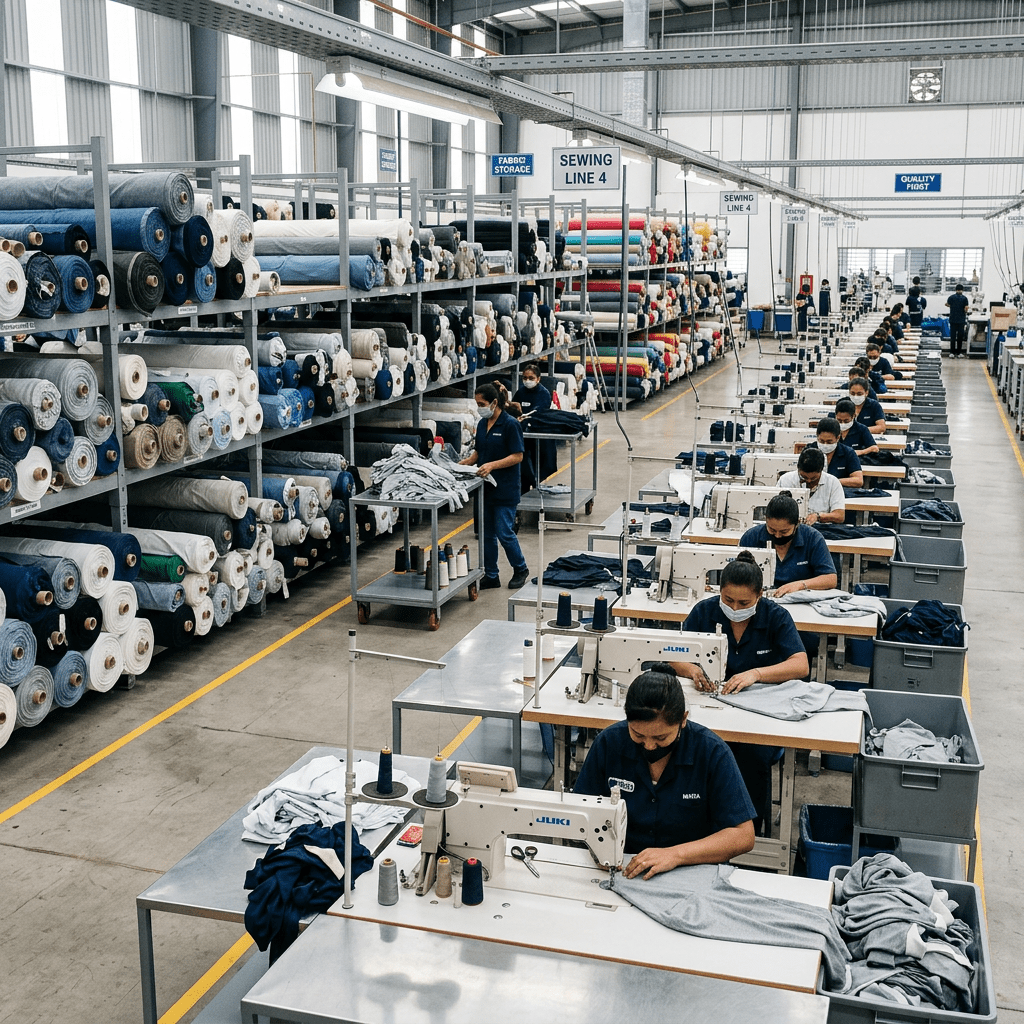
Introduction
Working with the right garment manufacturer can help a brand scale efficiently, maintain consistent quality, and build long-term success.
However, many brands—especially growing or first-time labels—make avoidable mistakes during the sourcing and production process. These mistakes often lead to delays, quality inconsistencies, increased costs, and strained production relationships.
Understanding these challenges early can help brands build smoother and more efficient manufacturing partnerships.
1. Choosing a Manufacturer Based Only on Price
One of the biggest mistakes brands make is selecting the cheapest manufacturer available.
Low pricing often comes at the cost of:
- Poor quality control
- Delayed timelines
- Weak communication
- Inconsistent output
Instead of focusing only on price, brands should evaluate:
- Production capability
- Sampling quality
- Reliability
- Export experience
A reliable manufacturer saves significantly more in the long run.
2. Not Investing Enough in Sampling
Sampling is not just a formality—it is the foundation of successful production.
Brands that rush sampling often face:
- Fit issues
- Construction inconsistencies
- Production errors in bulk orders
Proper sampling ensures that both the brand and manufacturer are aligned before production begins.
3. Providing Incomplete Product Information
Unclear instructions create confusion during production.
Missing details such as:
- Fabric specifications
- Measurement charts
- Construction references
- Trim details
can lead to incorrect development and delays.
Detailed tech packs and clear communication help reduce errors significantly.
4. Ignoring MOQ Planning
MOQ (Minimum Order Quantity) is a critical part of garment manufacturing.
Many brands develop collections without considering:
- Production efficiency
- Fabric requirements
- Minimum quantities
This leads to increased costs and inefficient production planning.
Understanding MOQ early helps brands structure collections more effectively.
5. Expecting Unrealistic Timelines
Garment manufacturing involves multiple stages:
- Sampling
- Fabric sourcing
- Production
- Quality control
- Packaging and shipping
Rushing timelines increases the risk of mistakes and compromises quality.
Brands should plan realistic timelines to ensure smoother execution.
6. Constantly Changing Designs During Production
Frequent changes during production create:
- Delays
- Increased costs
- Production inconsistencies
Finalising details during the sampling stage is essential before moving into bulk production.
7. Overlooking Quality Control Processes
Some brands assume quality checks happen automatically.
However, structured quality control systems are critical to maintaining consistency.
Strong manufacturers implement:
- Fabric inspection
- In-line production checks
- Final inspections before dispatch
Brands should prioritise manufacturers with clear quality systems.
8. Poor Communication with the Manufacturer
Communication gaps often result in:
- Misunderstandings
- Delays
- Incorrect production outcomes
Clear and timely communication ensures smoother coordination throughout the production cycle.
9. Switching Manufacturers Frequently
Changing manufacturers repeatedly can create inconsistency in:
- Product quality
- Sizing
- Construction standards
Building long-term relationships with reliable manufacturers improves efficiency and consistency over time.
10. Thinking Short-Term Instead of Long-Term
Successful brands treat manufacturing partnerships strategically.
Instead of chasing short-term savings, they focus on:
- Reliability
- Scalability
- Quality consistency
- Strong operational systems
This creates a stronger foundation for growth.
Conclusion
Garment manufacturing is not just about production—it is about coordination, planning, and long-term partnership building.
Avoiding common mistakes can help brands reduce costs, improve product quality, and create smoother production cycles.
Choosing the right manufacturing partner and investing in structured processes makes a significant difference in long-term success.
Looking for a reliable garment manufacturing partner?
Connect with us for structured sampling, scalable production, and export-ready manufacturing support.


Leave a Reply