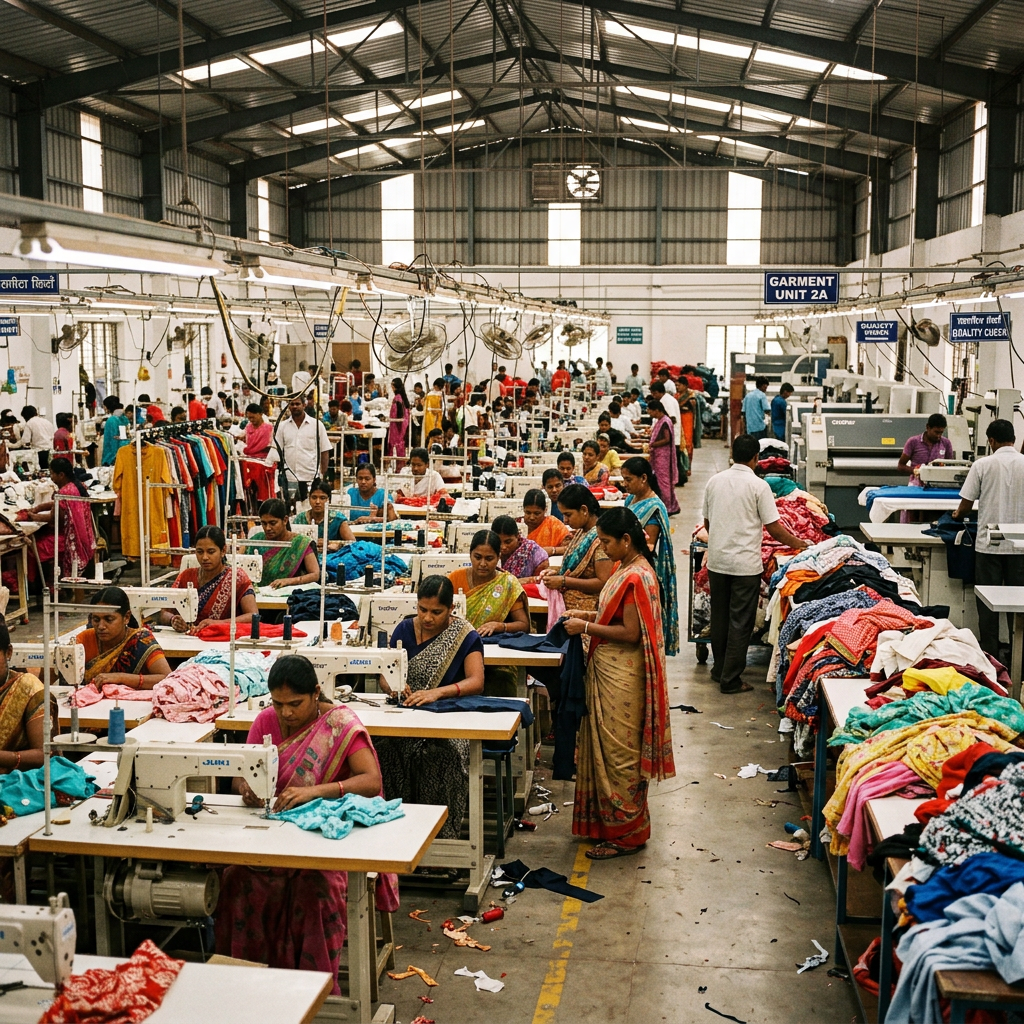
Introduction
Private label clothing has become one of the fastest-growing segments in the fashion industry.
Instead of building manufacturing infrastructure, brands today partner with manufacturers to develop, produce, and scale their collections under their own label.
India has emerged as a strong destination for private label manufacturing, offering a combination of quality, flexibility, and scalability.
If you’re looking to launch or scale your clothing brand, understanding how private label manufacturing works is essential.
1. What is Private Label Clothing Manufacturing?
Private label manufacturing allows brands to sell garments under their own brand name while production is handled by a manufacturing partner.
This includes:
- Developing products based on your designs
- Producing garments in bulk
- Supporting branding elements like labels and packaging
It enables brands to focus on marketing and growth, while manufacturing is handled professionally.
2. Why Brands Choose Private Label Manufacturing
Faster Time to Market
You can launch collections without setting up your own production unit.
Lower Operational Complexity
No need to manage workforce, machinery, or production logistics.
Scalable Growth
Easily increase production as demand grows.
Access to Expertise
Manufacturers bring technical knowledge, sourcing, and production experience.
3. Why India is a Strong Choice for Private Label
India offers several advantages for private label brands:
- Skilled workforce across categories
- Capability in woven, knit, and lightweight denim
- Competitive pricing with quality
- Strong export ecosystem
This makes India suitable for both emerging brands and global retailers.
4. Understanding MOQ in Private Label Production
MOQ plays a key role in private label manufacturing.
Typical ranges:
- Woven garments: ~500 pieces per colour
- Knit garments: ~1000 pieces per colour
Planning your product line around MOQ helps optimise costs and production efficiency.
5. The Role of Sampling in Private Label
Before bulk production, sampling ensures your product is exactly as envisioned.
This includes:
- Development samples
- Fit approvals
- Pre-production samples (PPS)
A structured sampling process helps avoid costly errors and ensures consistency.
6. Customisation & Branding Options
Private label manufacturing allows brands to customise:
- Fabric selection
- Design details
- Labels and tags
- Packaging
This ensures that the final product reflects your brand identity.
7. Choosing the Right Private Label Manufacturer
The right partner will:
- Understand your brand vision
- Offer structured sampling
- Maintain consistent quality
- Support scalability
Look for manufacturers with export experience and clear production systems.
8. Common Mistakes to Avoid
Choosing Based on Price Alone
Low cost often leads to quality issues.
Ignoring Sampling
Skipping proper sampling leads to production errors.
Poor Communication
Lack of clarity results in delays and inconsistencies.
9. Building a Long-Term Manufacturing Partnership
Private label success depends on consistency.
Working with a reliable manufacturer helps:
- Maintain product quality
- Improve efficiency over time
- Scale production smoothly
Conclusion
Private label clothing manufacturing allows brands to grow without the burden of managing production.
With the right partner, strong sampling, and clear planning, brands can build consistent and scalable product lines.
India offers a strong ecosystem for private label manufacturing—making it an ideal choice for brands looking to expand.
Looking to build or scale your private label clothing brand?
Connect with us for sampling, development, and bulk production support.


Leave a Reply