Introduction
Over the past decade, India has steadily positioned itself as one of the most reliable and scalable destinations for apparel manufacturing. In 2026, this position has only strengthened.
With global supply chains shifting due to geopolitical tensions, tariffs, and rising production costs in traditional manufacturing hubs, brands are actively exploring alternatives that offer both quality and stability.
India is emerging as a strong answer to that need.
1. A Balanced Advantage: Cost, Quality, and Scale
One of India’s biggest strengths is its ability to offer a balanced manufacturing ecosystem.
Unlike some regions that focus purely on low-cost production, India provides:
- Competitive pricing
- Strong quality control
- Scalable production capacity
This balance makes it suitable for both emerging brands and established global retailers.
2. Skilled Workforce and Manufacturing Expertise
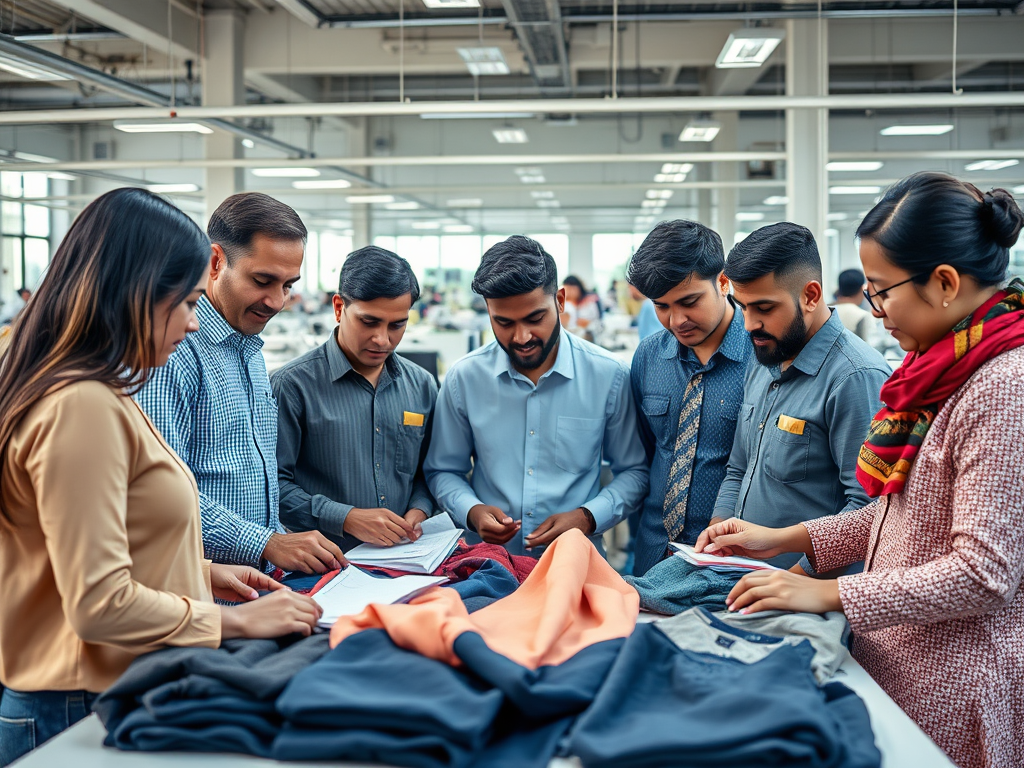
India has a large and experienced workforce in the textile and apparel sector.
From pattern making to stitching and finishing, the industry is supported by skilled professionals who understand both craftsmanship and production efficiency.
This translates to:
- Better product construction
- Consistent output
- Reduced production errors
3. Strength Across Multiple Categories
India’s manufacturing capabilities are not limited to a single category.
It offers strong expertise in:
- Woven garments (shirts, dresses, co-ords)
- Knitwear (t-shirts, basics, casualwear)
- Lightweight denim
This versatility allows brands to consolidate sourcing instead of working with multiple suppliers across countries.
4. Strong Sampling and Development Capabilities
One of the key reasons buyers are shifting to India is the focus on product development.
Manufacturers in India are increasingly offering:
- Tech pack-based sampling
- Fabric and trim sourcing
- Fit refinement
- Pre-production samples
This helps brands reduce errors and build confidence before bulk production begins.
5. Growing Focus on Compliance and Transparency
Global buyers today prioritise ethical practices and compliance.
India has made significant progress in this area, with many manufacturers now adhering to:
- Sedex and similar compliance standards
- Structured quality control systems
- Transparent production processes
This ensures that brands meet both regulatory and consumer expectations.
6. Strategic Advantage in a Changing Global Landscape
With ongoing geopolitical tensions and tariff fluctuations, brands are diversifying their sourcing strategies.
India offers:
- Stability compared to volatile regions
- Flexibility in production
- A strong export ecosystem
As a result, many brands are now adopting a “China + 1” or multi-country sourcing approach—with India being a key part of that strategy.
7. Export Readiness and Global Experience
India has decades of experience in exporting garments worldwide.
Manufacturers are well-versed in:
- International quality standards
- Packaging requirements
- Logistics and documentation
This ensures smooth operations for buyers across different markets.
8. Long-Term Partnership Potential
More than just a manufacturing destination, India offers the opportunity to build long-term partnerships.
Brands are increasingly choosing manufacturers who can:
- Grow with them
- Maintain consistency
- Adapt to changing demands
India’s manufacturing ecosystem supports this long-term approach.
Conclusion
In 2026, sourcing decisions are no longer just about cost—they are about resilience, reliability, and scalability.
India stands out as a destination that offers all three.
For brands looking to build strong supply chains and consistent product quality, choosing the right manufacturing partner in India can be a strategic advantage.
Looking to manufacture your next collection in India?
Partner with a team that combines quality, scalability, and global export experience.
 PRIYANKA GARMENTS
Leave a comment